


Boot Rooms
ORGANISATION AND SOPHISTICATION FOR YOUR ENTRYWAY WITH A BESPOKE BOOT ROOM
Transforming spaces with style and practicality, our custom boot rooms provide the ultimate blend of elegance and functionality, tailored to meet the unique demands of your lifestyle and home design.
A boot room is a dedicated space in your home designed for storing outdoor clothing, footwear, and equipment. Typically located near the main entrance, it acts as a transitional area where you can comfortably remove muddy boots, wet coats, and other outdoor gear before entering the main living spaces.
Boot rooms are often equipped with practical features like benches, hooks, shelves, and storage units to keep everything organised and easily accessible.

Boot Room Gallery
BOOT ROOM INSPIRATION AND IDEAS
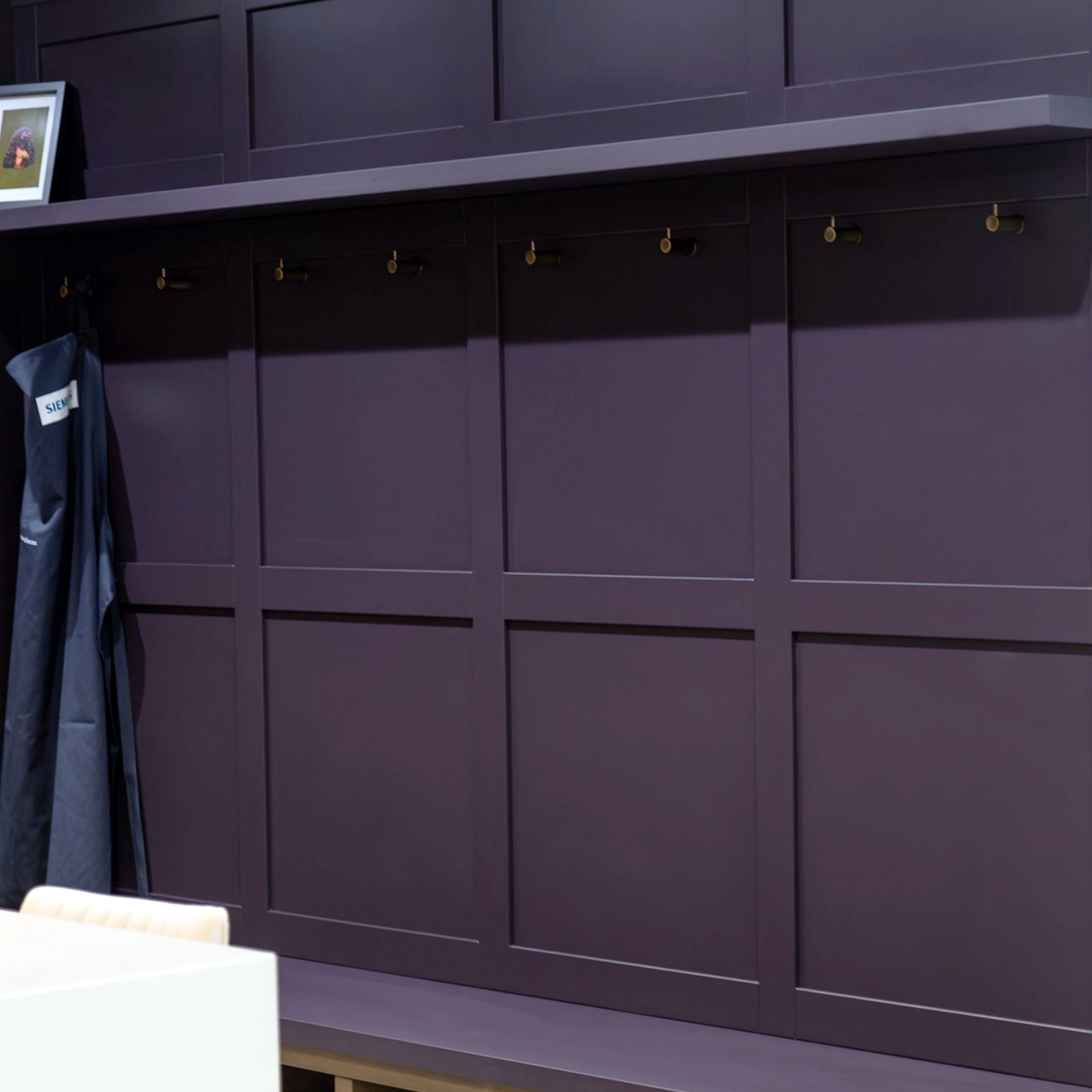
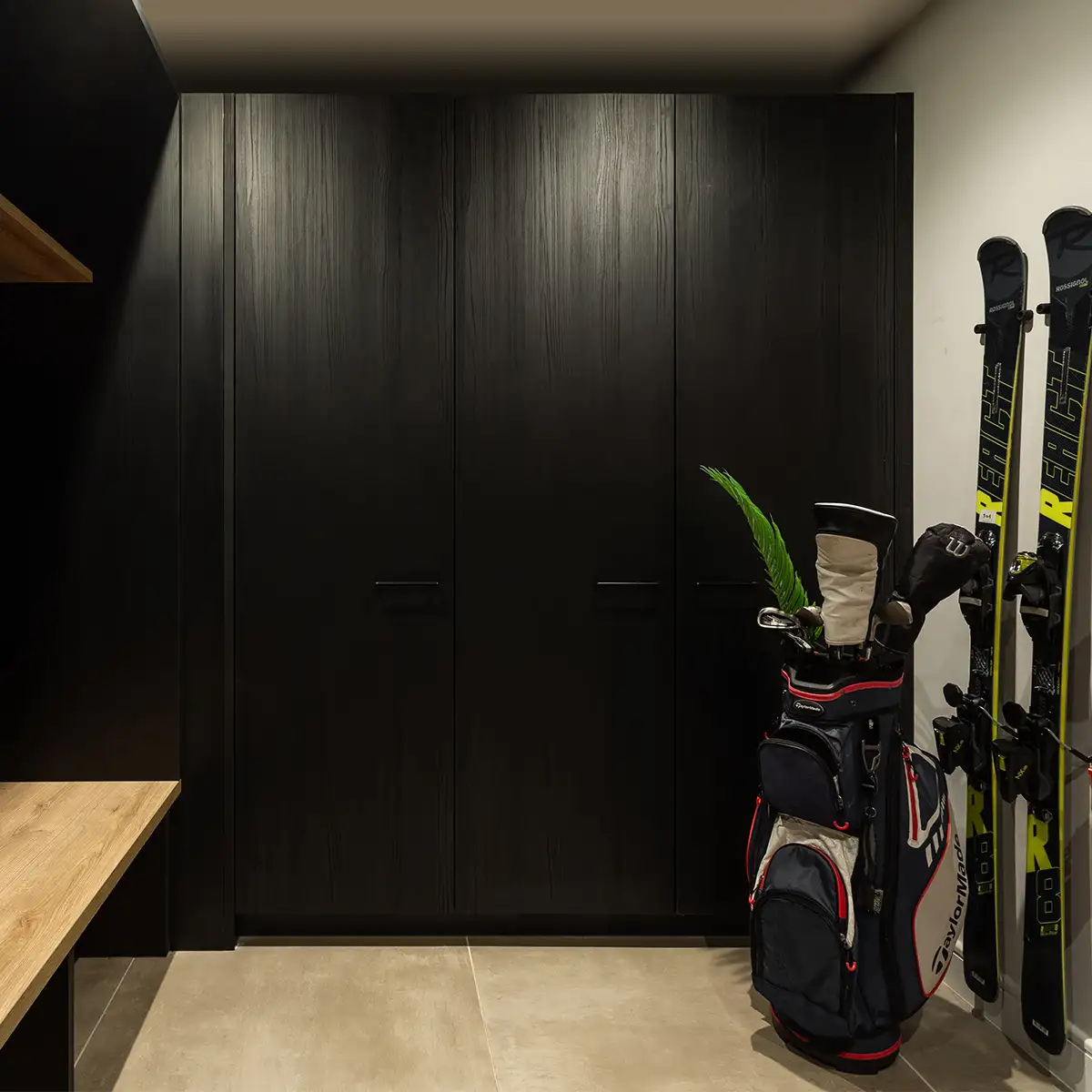
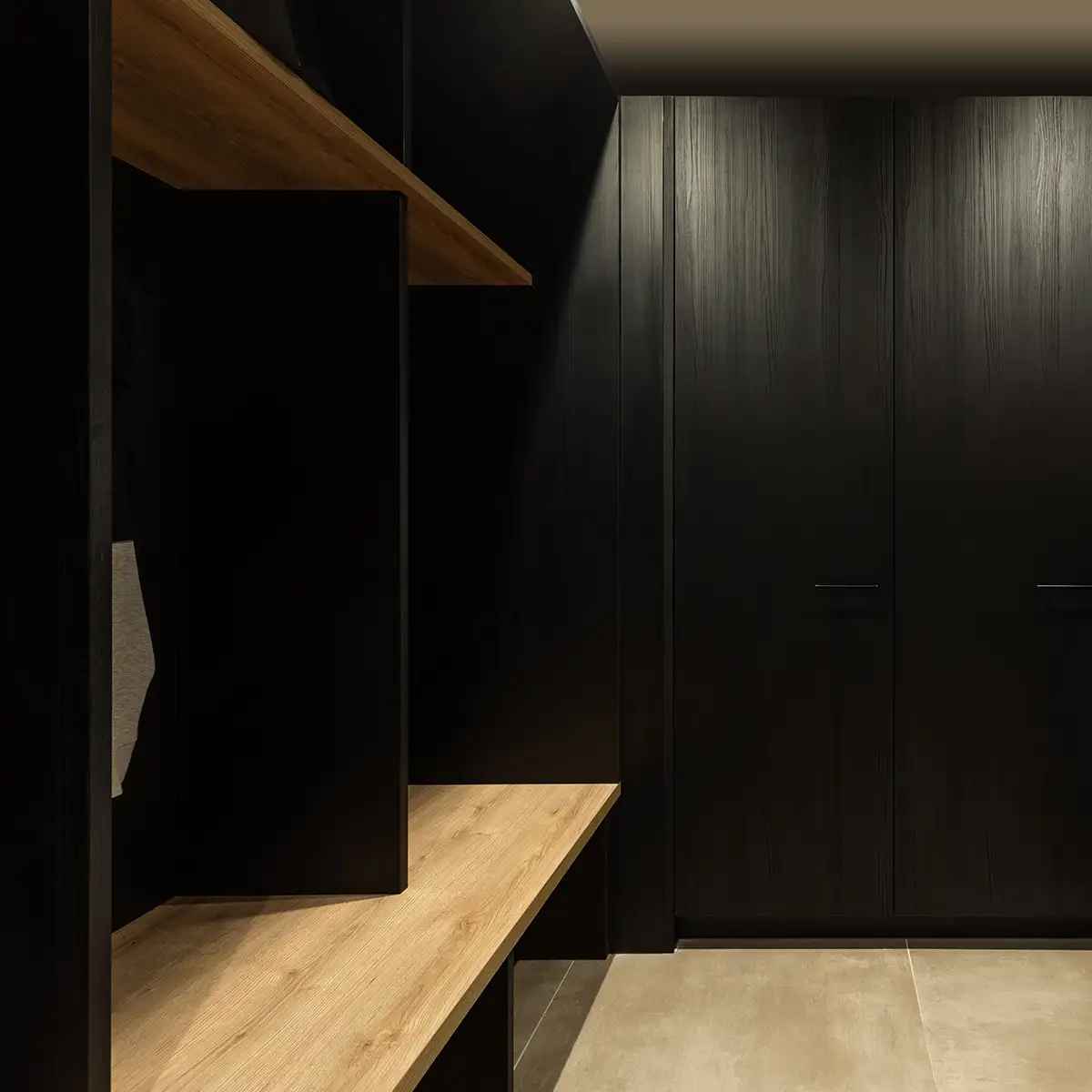
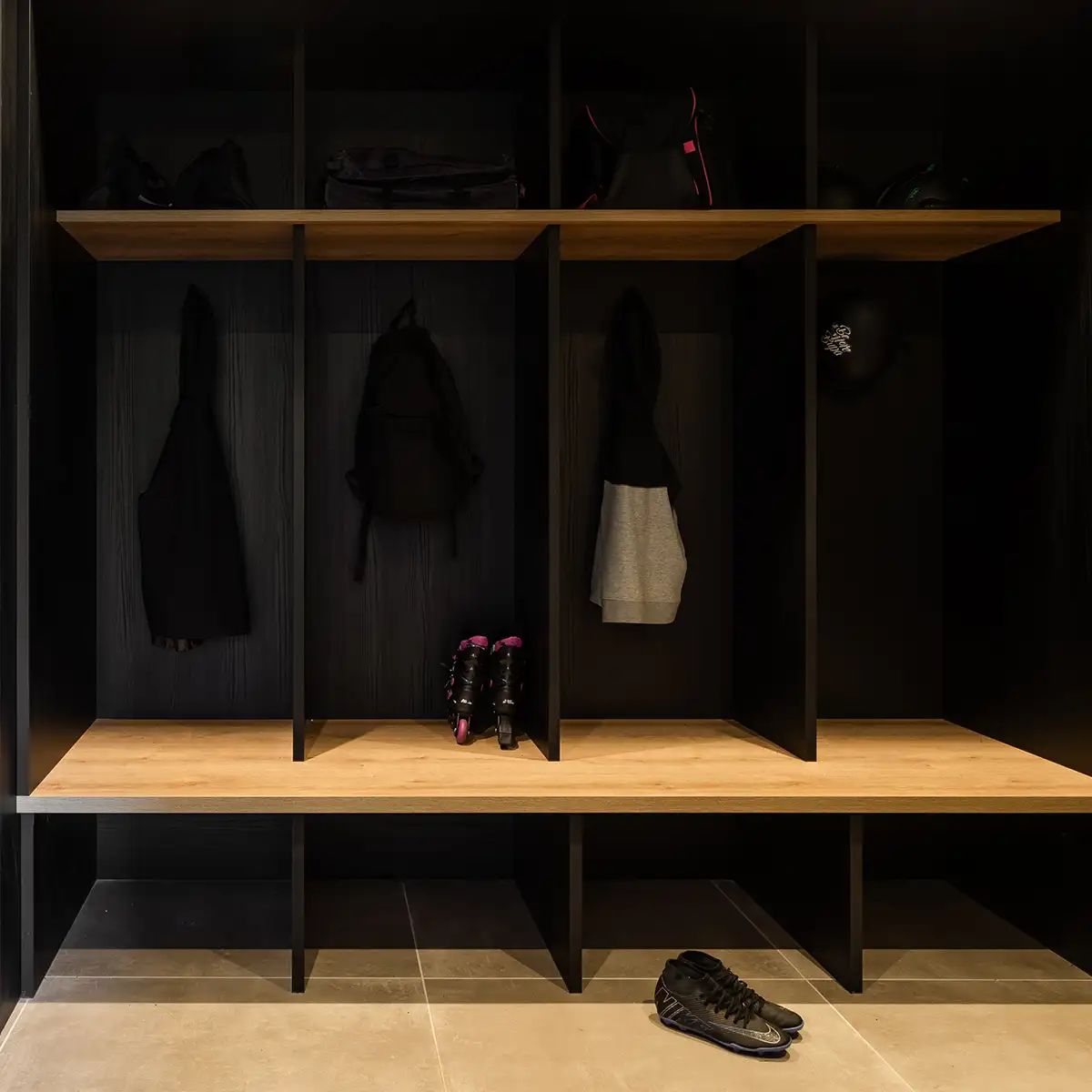
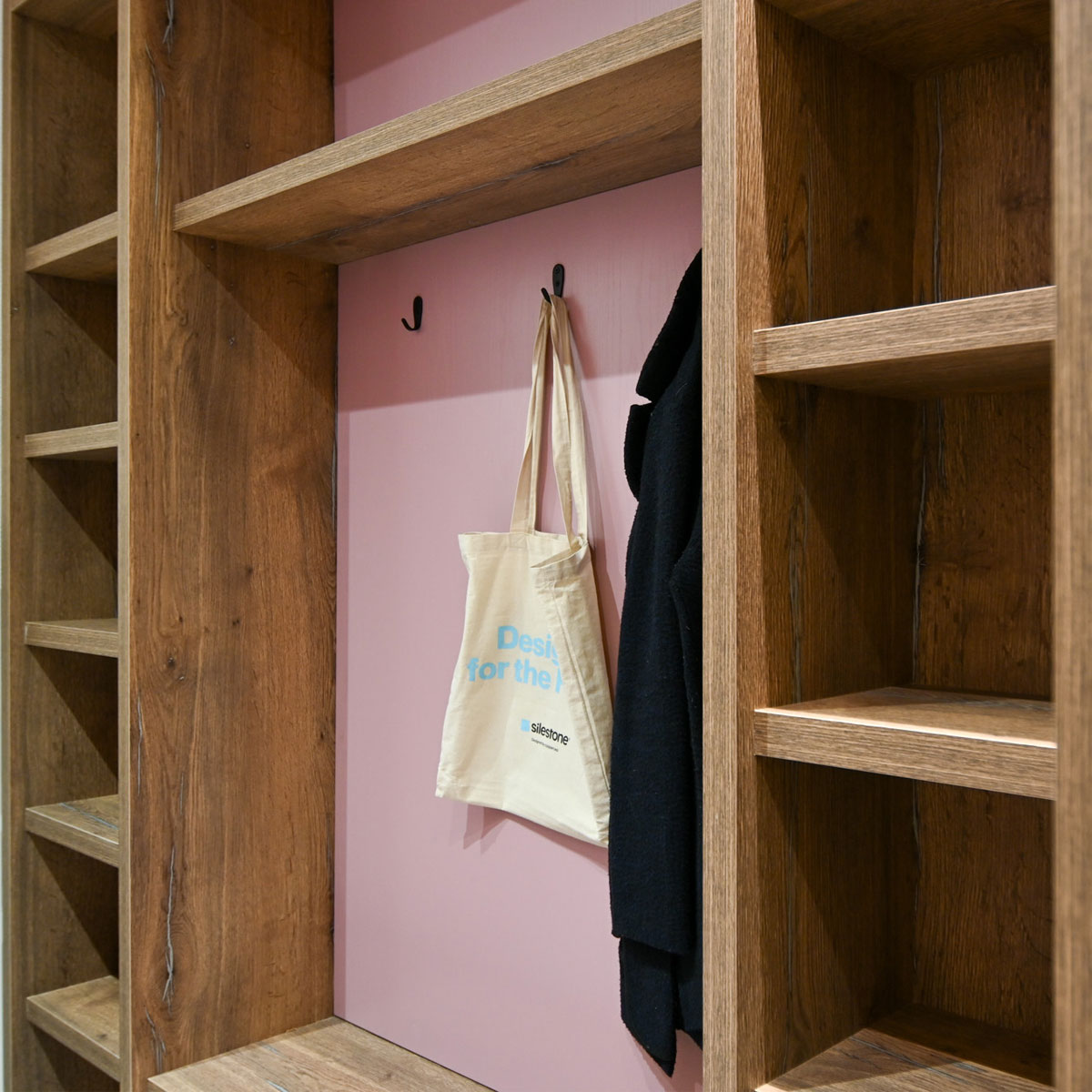
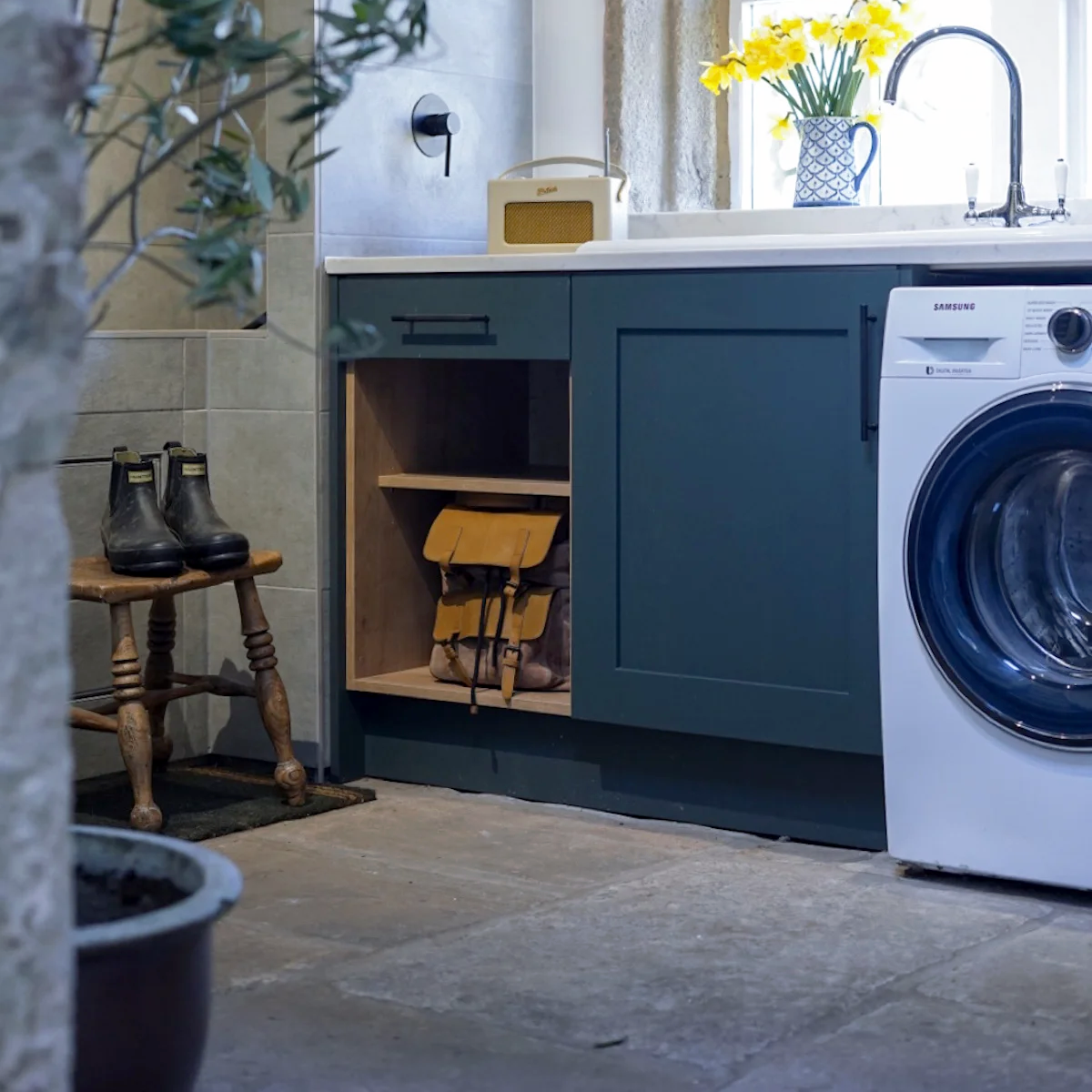
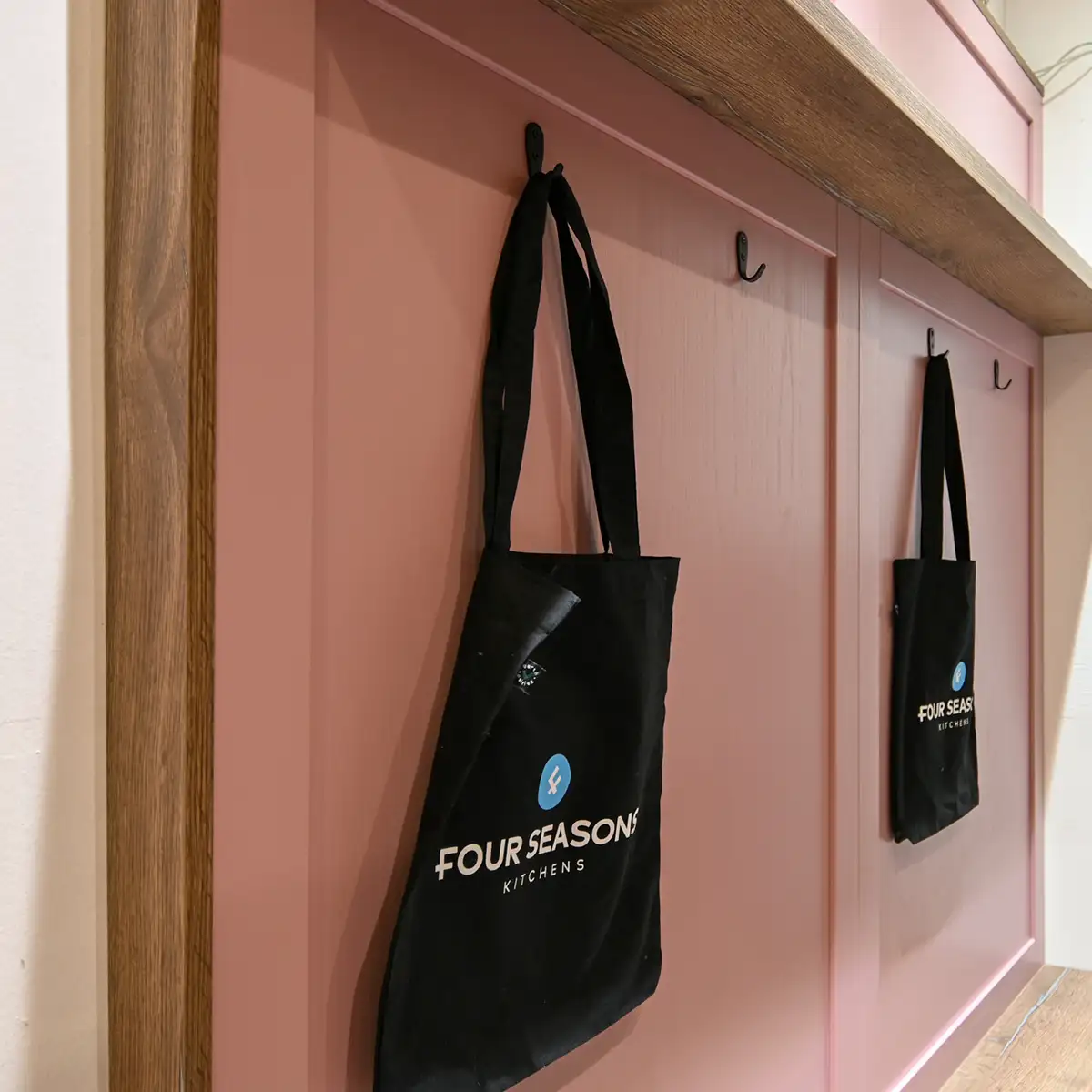
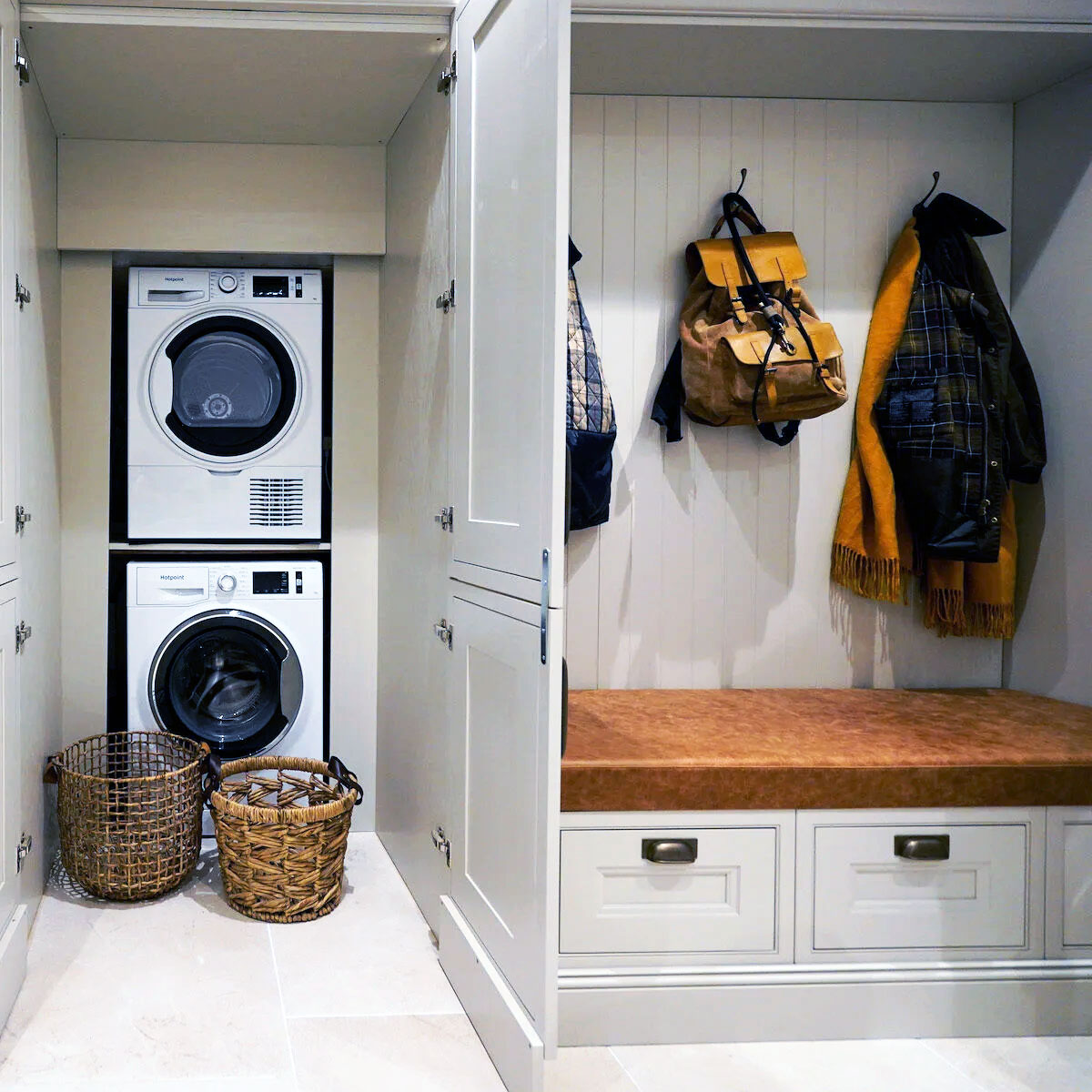
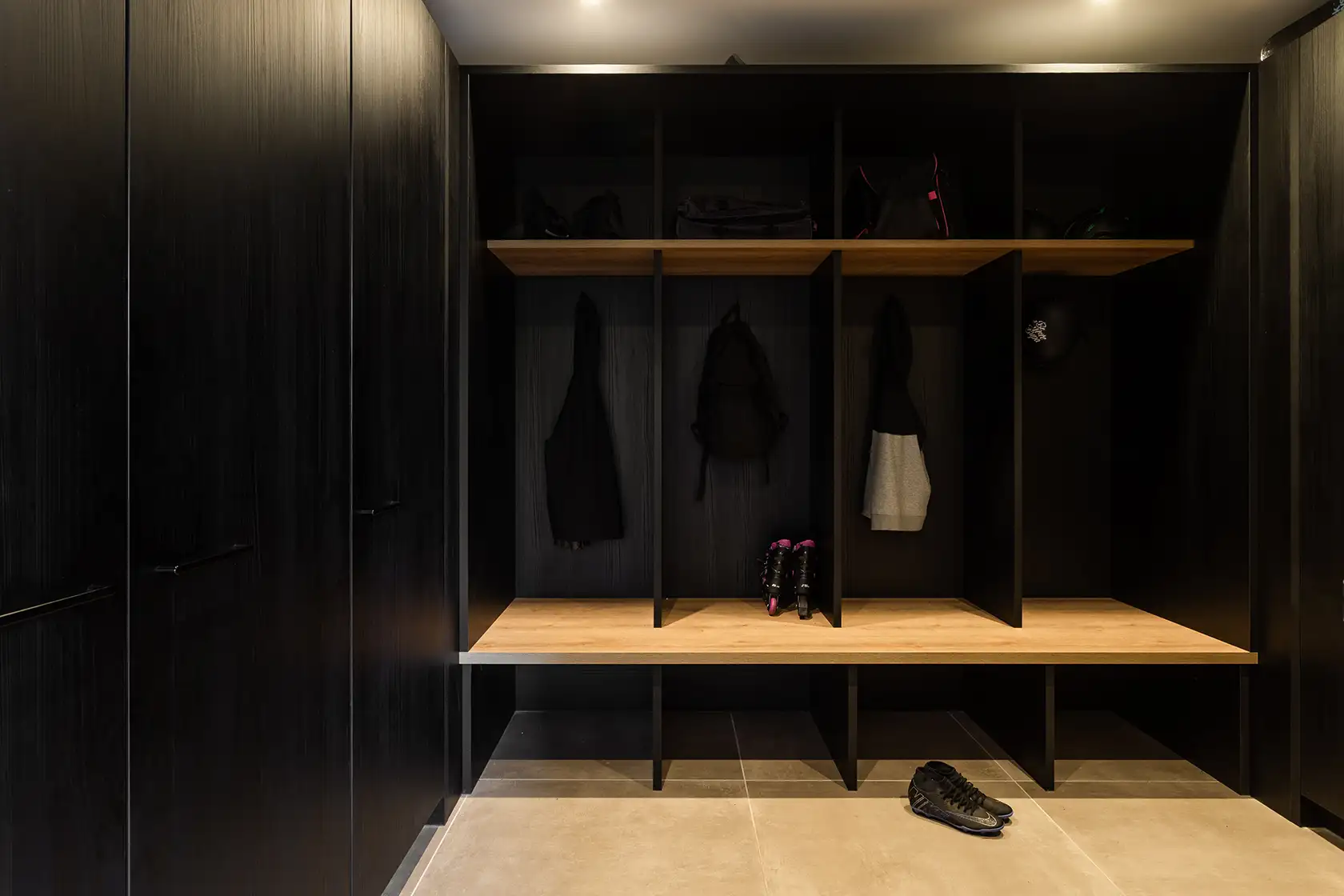
Boot Room Uses: The Seamless transition from outdoors to your kitchen.
Incorporating a boot room into your new kitchen design can significantly improve the functionality of your home in Leeds. Here are a few ideas and reasons why you should consider it:
OUTDOOR GEAR STORAGE
From cycling helmets to fishing rods, a boot room can be the perfect place to store all kinds of outdoor equipment, ensuring it is easily accessible when needed.
PET AREA
If you have pets, a boot room can serve as a convenient space to store leads, food, and other pet-related items. It can also be a great place for drying off wet pets before they enter the main living areas.
PET BATH OR SHOWER AREA
Increasingly popular, a designated space for washing pets keeps the rest of the home free from mess and makes pet care routines more manageable.
SINKS AND TAPS
Ideal for soaking stained clothing after outdoor activities or cleaning muddy boots and gardening tools. A sink in the boot room adds an extra layer of functionality to your home.
STORAGE CABINETS AND SHELVING
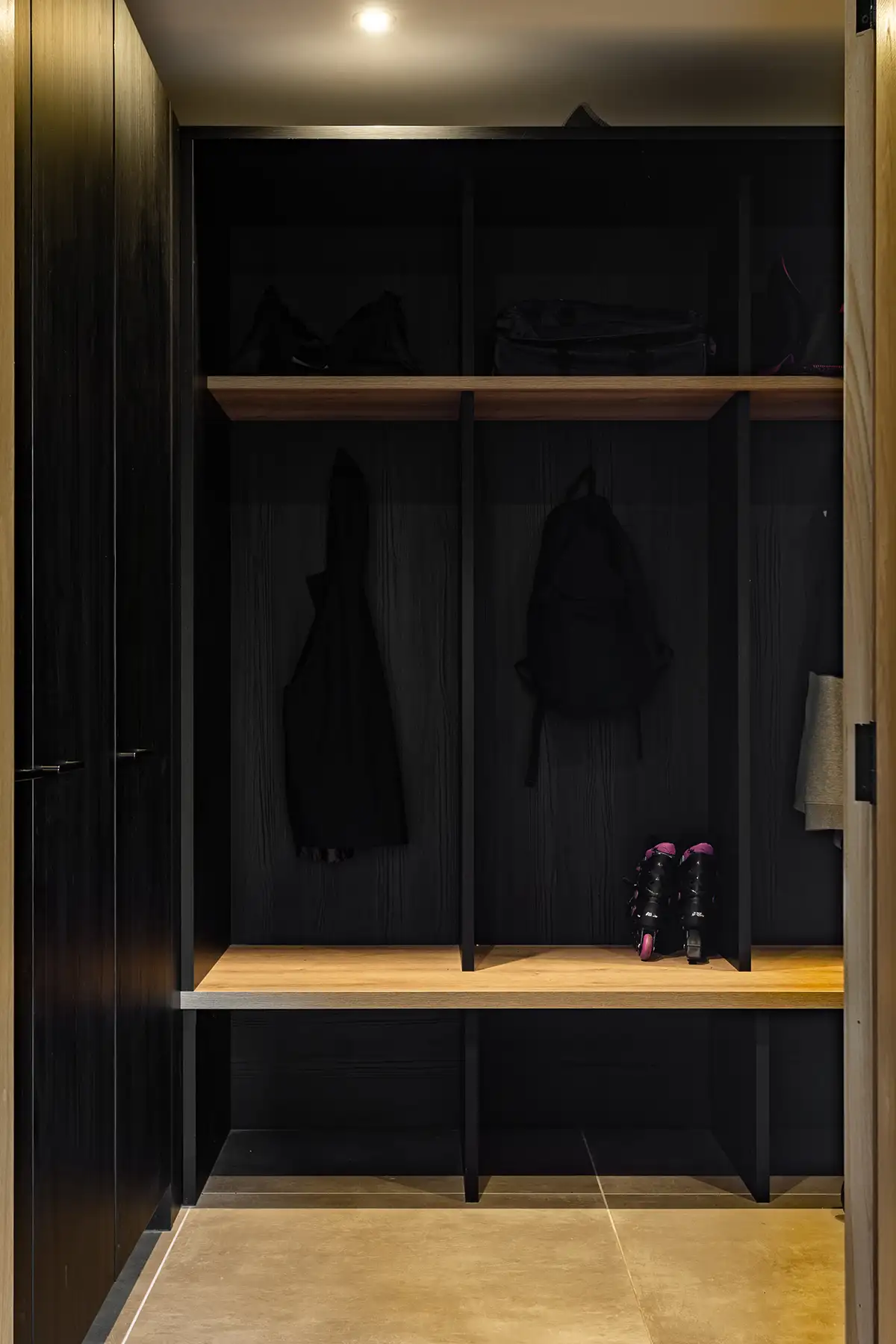
These are vital for organising boots, shoes, trainers, slippers, coats, jackets, gloves, umbrellas and shopping bags.
BOOT RACK OR MUDROOM BENCH
A place to store outdoor footwear, especially muddy boots or wet shoes, keeps the rest of the house clean and tidy.
COAT HOOKS
Perfect for hanging outdoor garments like coats, scarves, and hats, ensuring they’re dried and aired out properly.
INCREASED PROPERTY VALUE
A well-designed boot room can add value to your property. Potential buyers with families and pets who love the outdoors, often appreciate the practicality and organisation that a boot room offers.
Boot Room FAQs
YOUR QUESTIONS, ANSWERED
Boot Room trends
Boot rooms have evolved from simple utilitarian spaces to stylish and functional areas that enhance the overall aesthetic and practicality of a home. Here are some of the latest design trends for boot rooms:
- Natural Materials:
- Trend: Incorporating natural materials like wood, stone, and rattan to create a warm, inviting space.
- Design Tips: Use wooden benches, stone flooring, and wicker baskets to add a rustic, organic feel. Reclaimed wood can add character and sustainability.
- Built-In Storage:
- Trend: Custom built-in storage solutions to maximise space and maintain a clean, streamlined look.
- Design Tips: Install built-in cabinets, shelves, and benches with hidden storage. Custom storage allows for a tailored fit to your space and needs.
- Multi-Functional Spaces:
- Trend: Designing boot rooms that serve multiple purposes, such as laundry areas, pet stations, or gardening hubs.
- Design Tips: Incorporate laundry appliances, pet washing stations, or gardening tool storage. Use durable, easy-to-clean materials that can handle multiple functions.
- Colour Schemes:
- Trend: Using calming, neutral colour palettes or bold, statement colours.
- Design Tips: Opt for whites, greys, and beiges for a serene, classic look. For a bolder approach, use deep blues, forest greens, or vibrant yellows to add personality.
- Smart Storage Solutions:
- Trend: Innovative storage solutions like pull-out drawers, rotating shoe racks, and modular units.
- Design Tips: Install pull-out bins for shoes and accessories, rotating racks for easy access, and modular units that can be reconfigured as needed.
- Sustainable Design:
- Trend: Emphasising sustainability with eco-friendly materials and energy-efficient features.
- Design Tips: Use sustainable materials like bamboo, recycled wood, and low-VOC paints. Incorporate energy-efficient lighting and water-saving fixtures.
- Industrial Chic:
- Trend: Combining industrial elements like metal, concrete, and exposed pipes with softer textures.
- Design Tips: Use metal hooks and shelving, concrete or polished cement floors, and complement with soft textiles like cushions and rugs for contrast.
- Mudroom Integration:
- Trend: Seamlessly integrating boot rooms with mudrooms for a cohesive, multifunctional space.
- Design Tips: Combine storage for outdoor gear with laundry facilities and seating areas. Use consistent materials and colours to unify the space.
- Pet-Friendly Features:
- Trend: Designing boot rooms with pet-friendly amenities.
- Design Tips: Include a pet washing station, dedicated storage for pet supplies, and a comfortable resting area for pets. Use durable, water-resistant materials.
- Decorative Elements:
- Trend: Adding decorative touches to make the boot room more inviting and stylish.
- Design Tips: Incorporate artwork, decorative hooks, patterned tiles, and stylish lighting fixtures. Personalise the space with family photos or unique decor items.
- Smart Technology:
- Trend: Integrating smart technology for added convenience.
- Design Tips: Install smart lighting that can be controlled via smartphone, automated heating to dry wet clothing, and smart locks for enhanced security.
- Maximising Vertical Space:
- Trend: Utilising vertical space for additional storage and organisation.
- Design Tips: Install tall cabinets, high shelves, and wall-mounted hooks. Use over-the-door storage solutions to keep floors clear and organised.
By incorporating these design trends, you can create a boot room that is not only practical and functional but also stylish and reflective of your personal taste.
Combing your Boot Room with other rooms
Yes, a boot room can be effectively combined with other rooms to maximise space and functionality in your home. Here are some common combinations and tips on how to integrate them:
- Boot Room and Utility Room:
- Functionality: Combining a boot room with a utility room is a popular choice, as both spaces are utilitarian and serve to keep the rest of the house clean and organised.
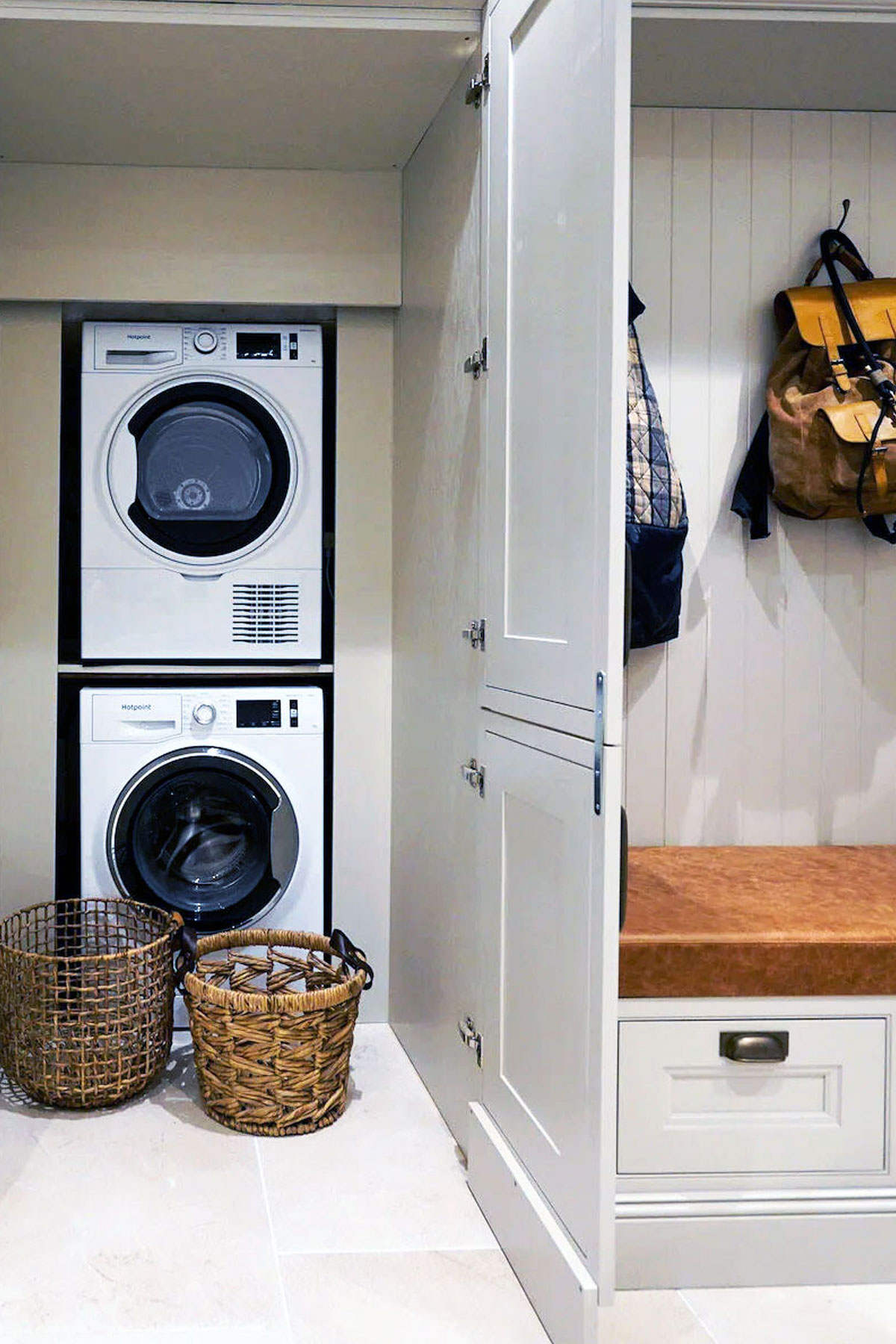
- Design Tips: Include laundry facilities such as a washing machine, dryer, and laundry sink. Add cabinets and shelves for cleaning supplies, and ensure there is ample space for drying and folding clothes.
- Boot Room and Laundry Room:
- Functionality: This combination allows you to manage outdoor gear and laundry in one convenient location.
- Design Tips: Install built-in hampers, a fold-out ironing board, and a drying rack. Use durable, moisture-resistant materials for easy cleaning and maintenance.
- Boot Room and Mudroom:
- Functionality: A boot room can seamlessly double as a mudroom, providing a dedicated space to remove and store muddy or wet outdoor gear.
- Design Tips: Include features like a bench for seating, hooks for hanging coats and bags, and easy-to-clean flooring such as tile or vinyl. Add mats or rugs to catch dirt and moisture.
- Boot Room and Kitchen:
- Functionality: Combining a boot room with a kitchen can create a practical entryway where you can easily store and access outdoor gear without cluttering the main living areas.
- Design Tips: Use cabinetry and shelving that match your kitchen design for a cohesive look. Include a small seating area for putting on and taking off shoes, and ensure there is adequate storage for outdoor clothing and footwear.
- Boot Room and Garage:
- Functionality: Integrating a boot room into the garage makes it convenient to store outdoor gear right where you need it when coming and going.
- Design Tips: Install sturdy storage solutions like wall-mounted hooks, shelving units, and cabinets. Use durable, non-slip flooring to handle the heavy traffic and potential spills.
- Boot Room and Entryway:
- Functionality: A boot room can be part of the main entryway, providing a welcoming and organised space as soon as you enter the home.
- Design Tips: Incorporate stylish storage solutions such as built-in benches with storage, decorative hooks, and attractive baskets. Use materials and colours that complement the overall decor of your home.
- Boot Room and Playroom:
- Functionality: For families with young children, combining a boot room with a playroom can keep outdoor toys and gear organised and easily accessible.
- Design Tips: Include low hooks and shelves for children to reach, storage bins for toys, and a designated area for drying wet clothing. Ensure the space is safe and child-friendly.
- Boot Room and Pet Area:
- Functionality: If you have pets, a boot room can double as a pet area for storing leashes, food, and grooming supplies, as well as a space for cleaning and drying pets.
- Design Tips: Install a pet washing station, include storage for pet supplies, and use durable, waterproof materials. Consider adding a comfortable bed or crate for your pet.
- Boot Room and Home Office:
- Functionality: Combining a boot room with a home office can provide a quiet, organised space for work while keeping outdoor gear out of the main living areas.
- Design Tips: Use multifunctional furniture such as a desk with built-in storage, and ensure there is adequate lighting and ventilation. Keep the design cohesive with the rest of your home office decor.
- Boot Room and Hobby Room:
- Functionality: For hobbyists, a boot room can double as a space to store and organise hobby supplies, whether it’s gardening tools, sports equipment, or craft materials.
- Design Tips: Include custom storage solutions tailored to your hobby, such as pegboards, shelves, and bins. Ensure the space is well-lit and easy to clean.
By thoughtfully combining a boot room with other functional areas in your home, you can create a versatile and efficient space that enhances your daily routines and keeps your home organised.
Planning for your Boot Room
Yes, you can install a boot room in an existing home. With thoughtful planning and design, you can create a functional and attractive boot room that meets your needs. Here are some tips and considerations to help you get started:
- Identify the Location: Choose a suitable location near an entrance, such as the back door, garage entry, or even the front foyer. Consider underutilised spaces like a hallway, part of a large kitchen, or a section of the garage.
- Assess the Space: Measure the area to determine how much room you have to work with. Even a small nook can be transformed into a functional boot room with the right design.
- Design the Layout: Plan the layout to maximise space and functionality. Consider incorporating features like:
- Benches with storage underneath for shoes and boots.
- Hooks for coats, hats, and bags.
- Shelves or cabinets for additional storage.
- A small area rug or mat to catch dirt and moisture.
- Choose Durable Materials: Select materials that can withstand heavy use and are easy to clean. Durable flooring like tile or vinyl, moisture-resistant paint, and sturdy shelving are good choices.
- Add Essential Features: Depending on your needs, you might want to include:
- Seating: A bench or seat to make putting on and taking off shoes more convenient.
- Lighting: Adequate lighting to ensure the space is bright and welcoming.
- Ventilation: Proper ventilation to keep the area fresh and reduce moisture buildup.
- Customise for Your Lifestyle: Tailor the boot room to suit your specific requirements. For example:
- If you have pets, include a spot for leashes, food, and grooming supplies.
- If you enjoy gardening, add storage for tools, gloves, and other equipment.
- If you have children, ensure hooks and shelves are at a reachable height for them.
- DIY or Professional Help: Decide whether you want to tackle the project yourself or hire a professional. A DIY approach can save money, but a professional can provide expertise, especially for more complex installations or custom designs.
- Budget Considerations: Set a budget for your boot room project. Costs will vary depending on the size, materials, and features you choose. Planning your budget in advance helps ensure you stay on track financially.
- Utilise Vertical Space: Make the most of vertical space by installing tall cabinets or shelving units. This helps keep the floor area clear and maximises storage capacity.
- Stay Organised: Once your boot room is installed, maintain organisation with regular cleaning and decluttering. This will keep the space functional and enjoyable to use.
By following these steps, you can successfully install a boot room in your existing home, enhancing both its functionality and aesthetic appeal.
Creating a child-friendly boot room
Creating a child-friendly boot room involves designing the space with features that cater to the needs and capabilities of children, ensuring it is safe, accessible, and easy for them to use. Here are some tips to achieve this:
- Lower Hooks and Shelves: Install hooks and shelves at a lower height so children can easily hang up their coats, bags, and hats. This encourages them to take responsibility for their own belongings.
- Durable and Easy-to-Clean Materials: Choose flooring and wall materials that are durable and easy to clean, such as vinyl or tile flooring and washable paint or wall coverings. This will make it easier to manage spills, mud, and general wear and tear.
- Child-Friendly Seating: Include benches or seating at a height suitable for children. This helps them sit comfortably while putting on or taking off shoes and boots.
- Safety Features: Ensure that the boot room is safe for children by securing heavy furniture to the walls, using non-slip mats or rugs, and avoiding sharp edges on furniture.
- Storage Bins and Cubbies: Use labelled storage bins and cubbies for different items, such as shoes, gloves, and toys. Colour-coding or using pictures can help younger children identify where their items belong.
- Accessible Shoe Storage: Provide shoe racks or cubbies at a low height so children can easily reach and store their footwear. Consider using pull-out drawers for added ease.
- Personalised Spaces: Give each child their own designated space or cubby for their belongings. Personalising these areas with their names or favourite colours can make them feel special and encourage them to keep their area tidy.
- Step Stool: Place a small, sturdy step stool in the boot room to help children reach higher shelves or hooks if needed.
- Bright and Cheerful Decor: Use bright colours and fun decor to make the boot room inviting for children. Adding elements like wall decals, colourful bins, or themed hooks can make the space more appealing.
- Incorporate Learning Elements: Integrate educational elements like a clock to teach time, a weather chart to discuss the day’s attire, or a chalkboard for notes and reminders.
By incorporating these features, you can create a boot room that is functional, safe, and enjoyable for children, helping them develop good organisational habits and making daily routines smoother for the whole family.
Pet Showers in Utility Rooms
Incorporating a pet shower into your utility room is an increasingly popular trend among UK homeowners, offering a practical and efficient solution for keeping your furry friends clean without the hassle. With the unpredictable British weather leading to muddy paws and wet fur, a dedicated pet shower space becomes an indispensable feature for pet owners who wish to maintain a clean and hygienic home environment.
The Practicality of Pet Showers in Utility Rooms
A pet shower in the utility room provides a contained space for washing off mud, dirt, and debris from your pets after a day out, significantly reducing the spread of mess throughout the rest of the house. It allows for easy cleanup following walks in the rain or adventures in the garden, ensuring your living spaces remain pristine.
Design Considerations
When designing a pet shower, it’s essential to consider both functionality and comfort. Adjustable shower heads, non-slip tiles, and a handheld sprayer can make the bathing process more comfortable for your pet and more convenient for you. Incorporating a thermostatic control valve ensures the water temperature remains safe and constant, preventing any risk of scalding.
Benefits Beyond Cleanliness
Beyond keeping your pets clean, having a pet shower in your utility room can offer numerous benefits:
- Health and Wellbeing: Regular washing can help keep your pet’s coat in good condition, reducing the risk of skin infections and parasites.
- Convenience: No more trips to professional groomers for a simple wash, saving you time and money.
- Stress Reduction: Familiar surroundings can make bath time less stressful for pets compared to washing them in human showers or bathtubs.
Integration with Utility Room Functionality
Utility rooms are typically designed for practical tasks, making them the ideal location for a pet shower. Alongside laundry appliances and storage solutions, a pet shower can be seamlessly integrated without compromising the room’s overall functionality. Consider space-saving designs or multipurpose fixtures to maximise the utility room’s efficiency.
Enhancing Home Value
Adding a pet shower to your utility room can also enhance your home’s appeal and value, particularly among the growing number of pet owners in the UK. It’s seen as a thoughtful addition that reflects a home’s adaptability to the needs of all family members, including four-legged ones.
In conclusion, integrating a pet shower into your utility room is a smart move for any pet-owning household, blending convenience with care. It not only simplifies the task of keeping your pets clean but also contributes to the overall cleanliness and functionality of your home.
Mudrooms vs Boot Rooms
The terms “mudroom” and “boot room” are often used interchangeably, but they originate from different cultural contexts and can serve slightly different purposes within the home.
Mudroom
- Origin: The concept of a mudroom is more commonly found in American homes.
- Purpose: Mudrooms are designed as a secondary entrance to a home where residents can remove and store dirty footwear, wet clothing, and outerwear to prevent dirt and moisture from being tracked into the main living areas. They’re particularly useful in regions with harsh weather conditions.
- Features: Typically, a mudroom includes hooks for coats and jackets, storage for shoes and boots, and often built-in benches for sitting while removing footwear. It may also have cubbies or lockers for individual family members, durable flooring, and a mat for wiping shoes.
Boot Room
- Origin: The boot room has its roots in British homes and country estates.
- Purpose: Boot rooms serve a similar function to mudrooms but are often associated with more traditional or rural settings. They act as a space for storing not only muddy boots and outdoor wear but also for keeping outdoor equipment such as walking sticks, dog leads, and gardening tools.
- Features: Boot rooms typically include storage solutions like shelving, cupboards, and hooks for hanging coats and hats. They might also feature a sink for washing off mud and dirt, benches, and boot racks. The design can range from utilitarian to more bespoke finishes that reflect the home’s overall aesthetic.
Key Differences
- Cultural Context: Mudrooms are more common in the United States, whereas boot rooms are traditionally British.
- Design and Aesthetics: Boot rooms may lean towards a more classic or country aesthetic, often integrating with the home’s design. Mudrooms, while also customisable, tend to prioritise functionality and may adopt a more straightforward design approach.
- Functionality: While both spaces are designed to keep the indoors clean by providing a transition area, boot rooms might place a greater emphasis on storage for a wider range of outdoor accessories beyond just footwear and coats.
Despite these differences, the primary goal of both mudrooms and boot rooms is to enhance the cleanliness and organisation of the home, making them valuable additions to any house, especially in regions with variable weather conditions.
Further Kitchen Inspiration
WE CREATE MULTI-PURPOSE AREAS FOR COOKING, EATING, RELAXING, SOCIALISING AND ENTERTAINING.
EXCEPTIONAL DESIGN, GREAT PRICES AND A NO PRESSURE APPROACH WITH A FOCUS ON SERVICE.

Book a Home Design Visit or Explore Our Leeds Kitchen Showroom
Do you have a kitchen project in mind? Whether you’re just starting out or ready to move forward, our friendly team is here to help with ideas and advice. Visit our Leeds showroom to explore stunning kitchen displays,
or book a personalised home design consultation to get started. From design and supply to fully managed installation, we’ll support you every step of the way.
Start Planning Your Dream Kitchen
TELL US ABOUT YOUR KITCHEN PROJECT.